Europe wants your fingerprints now!! Yay?
If you've traveled to Europe in the last few months, you may have noticed something new and slightly sci-fi happening at border control: a kiosk asking for your fingerprints and a photo of your face. Welcome to the EU's brand new Entry/Exit System — or EES — which quietly launched in October 2025 and is barreling toward full implementation by April 10, 2026.
Is it scary? No. Is it a little weird the first time? Absolutely.
So what the heck is EES?
The EES is Europe's new digital border system, and it replaces the old passport stamp with biometric data collection. Yes, the tattoo-worthy ink stamps you've been collecting since your first passport is a thing of the past and honestly I am very sad about it. But hey… progress! Or something! Anyways…
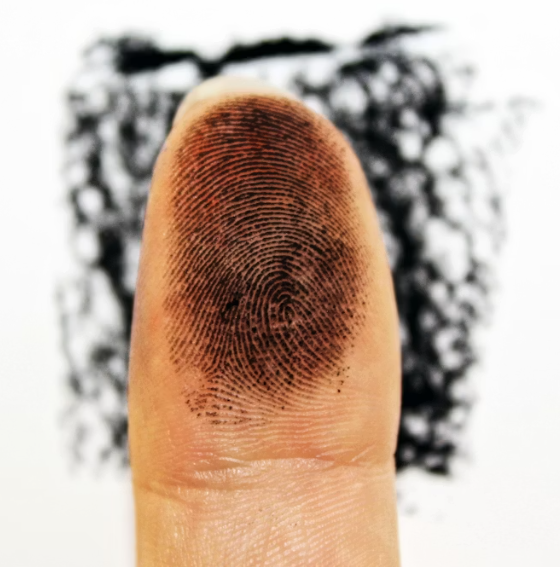
Now we're talking fingerprints (four of them) and a facial scan, registered the first time you enter the Schengen Area after the system is live. (The Schengen Area is a group of 29 European countries that share open borders. Once you're in, you move freely between member countries without passport checks. The area covers most of continental Europe, minus the UK and Ireland, plus a few non-EU countries like Switzerland and Norway.) After that initial registration, future crossings are just a quick biometric match. The whole point is to more accurately track who's in Europe, for how long, and to flag people who overstay the 90-days-in-180-days rule. The EU is also using it as a foundation for the upcoming ETIAS travel authorization system, which is expected to launch later in 2026 or possibly 2027. (More on that another time.)
Does it cost anything?
No. The EES itself is free. You do not pay for this. Don't let any third-party website tell you otherwise.
Will it cause delays?
Hoo boy, yes it can. The rollout has been… let's call it bumpy. Some airports have seen wait times increase significantly — up to 70% longer at some locations, according to airport industry groups — particularly when flights are stacked up and everyone needs to register for the first time at once. Some machines have crashed. Some border agents are still working out the kinks. Portugal even temporarily suspended the system at Lisbon Airport in December 2025 after widespread delays. The EU Commission says it's all going smoothly and that reports of multi-hour waits are exaggerated. Airport operators… disagree.
What does this mean for your trip?
For the near future, build in extra time at passport control. This is especially important if you're connecting through a European hub… give yourself a generous cushion. The good news: once you're registered in the system, subsequent trips will be faster. And by summer 2026, the kinks should be mostly worked out.
Also: your biometric data will be stored in an EU database for three years. Worth knowing.
The bottom line is that EES is happening whether we love it or not, and it'll be fully live by the time most of us are landing in Europe for summer travel. Just plan for some extra time at the border on your first trip through, and you'll be fine.